Guest blog by Tonia Viles- Grandel Legacy Press
They rose from mountains and from forbidden love, healers of plants, hunters of flesh, and keepers of history and myth.
The Earth Dragons are one of my most beloved creations. Their beginning was simple, but over time they evolved into an important and complex breed of dragon, teaching me how design, story, and natural logic can deepen a fictional world.
Brandon runs through the Lowlander’s Forest to say goodbye to the first Earth Dragon we meet, Everlyn.
She is a rich brown, the color of the earth they find sacred. They are one of two wingless dragons. When I started writing about them in my mind, they were bulky, like a workhorse, and the size of two of them. Then the stories and books continued, and I found them growing into beings that sailed far beyond the normal brutes dragons are portrayed as.
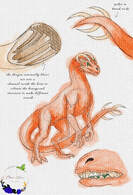
They slender down more like a lizard. Smooth scales, not heavy armored beasts, because these were not battle dragons. They hunted small prey in a dense forest. That change revealed a problem I had not expected, their horns. Every dragon I have created has unique horns. My snag with the Earth Dragons was that their horns were enormous.
The horns begin above their eyes and travel along their skulls to its base. There, the horn structure fuses with the skull, and ram-like curved horns grew outward from each side of their head.
When the Earth Dragons grew slender, their horns became a challenge. I did not want to lose their beauty or symbolism, and I could not reduce them too much without weakening their purpose. Their function had always been defense. I spent weeks looking at the horns, knowing they were no good. For weeks, I studied the problem, knowing the design no longer worked and fearing I would have to write the horns out—or worse, use magic as an escape. Magic exists in my world, but it is elemental and purposeful. It is not a fix-all.
I know the horns needed to be lighter, and nature offered the perfect solution. Their fused skull horns now contain a honeycomb structure: strong, sacred, and weightless. It became a design born of mythic logic and forest truth.
Even a burden, when shaped with care, can become grace.
For writers, this is where creature design becomes more than decoration. A beautiful feature must still obey the needs of the body, the landscape, and the story. When those pressures work together, the creature begins to feel inevitable.
Their protection remained in place, their symbolism stayed whole. Once I added the honeycomb structure, an opportunity opened. With the addition of extra airways, the horns could emit a sound. This idea was irresistible. Now, the dragons that adore plant life not only could heal them, but they could also call pollinators to them.
The horns’ ultimate design gave their skulls the protection I had always intended. The added inner structure also deepened the cornucopia‑shaped horns symbolism. Because the horns could call pollinators, the Earth Dragons gained a living connection to the Plants of Plenty.
The Earth Dragons are not my only passive dragons. All my dragons were created for one purpose. To bring a world to life.
Nature’s first creations were vast dragons, not of flesh and blood, not of breath but of soil, rock, and roots. Earth Dragons rose and shaped the world. They made plains, mountains, and chasms. Then they lay upon the ecosphere, covering it with their bodies of root, rock, and soil.
Earth Dragons gave of their bodies so the planet could grow. They appeared once more before they became flesh. Mountain Dragons end the war between dragons and humans, allowing the seen to migrate to Grandel, leaving the unseen behind.
Dig below the surface of your creatures and great things can be found.
A short excerpt showing Earth Dragons using their horn resonance:
Ashwyn the Light slightly closed the hole in horn and blew through it. The sound that came from it was a light vibration, and it traveled far. The other Earth Dragons joined her. A few moments later, bees and other pollinators filled the air with their buzzing. Small mammals appeared, hiding their forage in the ruined ground. The barren dirt came alive with worms and insects. Birds came and clawed the ground, helping to make it healthy again. Rodents of all sizes scurried about, spreading seeds. Ashwyn blows her healing breath and does something an Earth Dragon had not done in thousands of years. She brought life where there was none.
The Earth Dragons are one of my most beloved creations. Their beginning was simple, but over time they evolved into an important and complex breed of dragon, teaching me how design, story, and natural logic can deepen a fictional world.
Brandon runs through the Lowlander’s Forest to say goodbye to the first Earth Dragon we meet, Everlyn.
She is a rich brown, the color of the earth they find sacred. They are one of two wingless dragons. When I started writing about them in my mind, they were bulky, like a workhorse, and the size of two of them. Then the stories and books continued, and I found them growing into beings that sailed far beyond the normal brutes dragons are portrayed as.
They slender down more like a lizard. Smooth scales, not heavy armored beasts, because these were not battle dragons. They hunted small prey in a dense forest. That change revealed a problem I had not expected, their horns. Every dragon I have created has unique horns. My snag with the Earth Dragons was that their horns were enormous.
The horns begin above their eyes and travel along their skulls to its base. There, the horn structure fuses with the skull, and ram-like curved horns grew outward from each side of their head.
When the Earth Dragons grew slender, their horns became a challenge. I did not want to lose their beauty or symbolism, and I could not reduce them too much without weakening their purpose. Their function had always been defense. I spent weeks looking at the horns, knowing they were no good. For weeks, I studied the problem, knowing the design no longer worked and fearing I would have to write the horns out—or worse, use magic as an escape. Magic exists in my world, but it is elemental and purposeful. It is not a fix-all.
I know the horns needed to be lighter, and nature offered the perfect solution. Their fused skull horns now contain a honeycomb structure: strong, sacred, and weightless. It became a design born of mythic logic and forest truth.
Even a burden, when shaped with care, can become grace.
For writers, this is where creature design becomes more than decoration. A beautiful feature must still obey the needs of the body, the landscape, and the story. When those pressures work together, the creature begins to feel inevitable.
Their protection remained in place, their symbolism stayed whole. Once I added the honeycomb structure, an opportunity opened. With the addition of extra airways, the horns could emit a sound. This idea was irresistible. Now, the dragons that adore plant life not only could heal them, but they could also call pollinators to them.
The horns’ ultimate design gave their skulls the protection I had always intended. The added inner structure also deepened the cornucopia‑shaped horns symbolism. Because the horns could call pollinators, the Earth Dragons gained a living connection to the Plants of Plenty.
The Earth Dragons are not my only passive dragons. All my dragons were created for one purpose. To bring a world to life.
Nature’s first creations were vast dragons, not of flesh and blood, not of breath but of soil, rock, and roots. Earth Dragons rose and shaped the world. They made plains, mountains, and chasms. Then they lay upon the ecosphere, covering it with their bodies of root, rock, and soil.
Earth Dragons gave of their bodies so the planet could grow. They appeared once more before they became flesh. Mountain Dragons end the war between dragons and humans, allowing the seen to migrate to Grandel, leaving the unseen behind.
Dig below the surface of your creatures and great things can be found.
A short excerpt showing Earth Dragons using their horn resonance:
Ashwyn the Light slightly closed the hole in horn and blew through it. The sound that came from it was a light vibration, and it traveled far. The other Earth Dragons joined her. A few moments later, bees and other pollinators filled the air with their buzzing. Small mammals appeared, hiding their forage in the ruined ground. The barren dirt came alive with worms and insects. Birds came and clawed the ground, helping to make it healthy again. Rodents of all sizes scurried about, spreading seeds. Ashwyn blows her healing breath and does something an Earth Dragon had not done in thousands of years. She brought life where there was none.
 Artist Dawn Shaw |  |


 RSS Feed